Layering blinds with curtains can be a great way to finish a room. It gives you more control over light and privacy, and it can make the window feel more considered. Done well, it looks balanced and practical. Done badly, it can feel bulky, awkward or simply unnecessary.
At Knights Blinds, we often help customers decide whether to keep things simple with one product or combine blinds and curtains for a more complete result. The best choice usually depends on the room, the window, and what you need the window dressing to do day to day.
What does it mean to layer blinds with curtains?
Layering is exactly what it sounds like. You use a blind as the closer layer to the window, then add curtains around the outside.
The blind usually takes care of the practical side of things. It might help with privacy, glare, or keeping the light under control through the day. The curtains then soften the look, add texture, and give you another layer when you want the room to feel warmer or more enclosed.
In some homes, that combination works brilliantly. In others, it is more than you need.
How to layer blinds with curtains well
The secret is not to treat the blind and the curtains as two separate entities. They need to work together.
Start with choosing your blind
The blind should come first in the decision-making process because it is the part you are most likely to use every day.
Ask yourself what the room needs most. Is it privacy? Better blackout? Less glare on screens? A neat fit on doors or awkward windows? Once that is clear, you can choose a blind that does that job properly.
For example:
- a roller blind can give a simple, tidy look
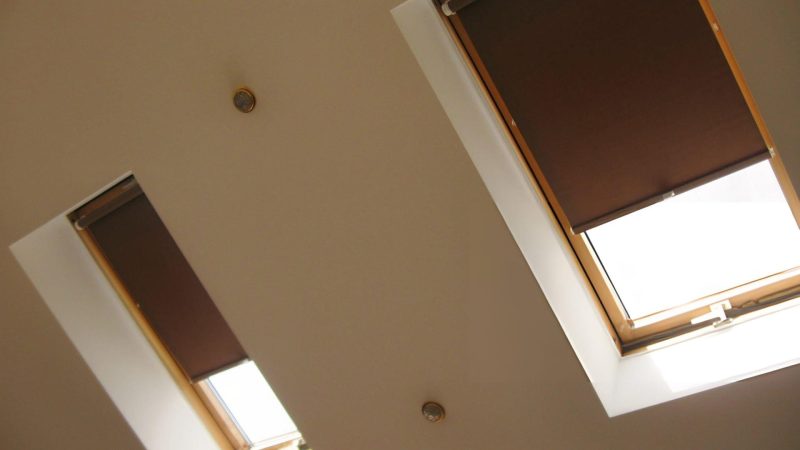
- a Roman blind can feel softer and more decorative
- a Venetian blind can give flexible light control
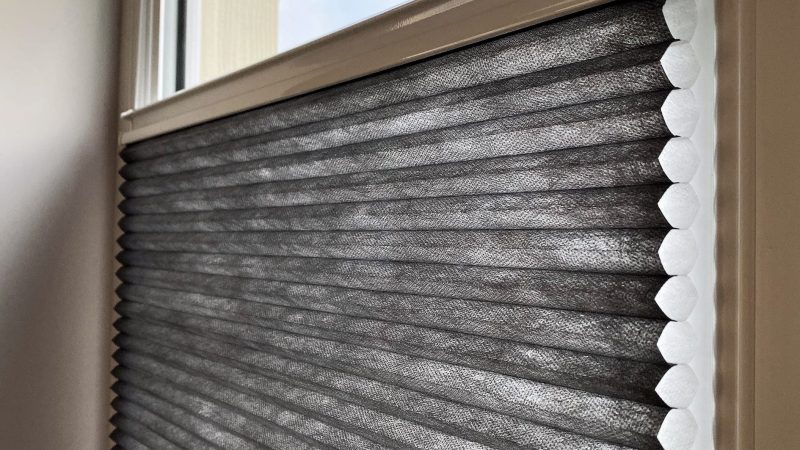
- a cellular blind can be a good option where warmth is a priority
- a Perfect Fit blind can work well on doors and tilt-and-turn windows
Once the blind is right, the curtains can be chosen to support it rather than compete with it.
Let one layer do more of the visual work
A common mistake is making both layers too full-on. If the blind has a strong pattern, deep folds or a lot of texture, the curtains often need to be calmer. If the curtains are full and decorative, the blind usually looks best when it is simple.
That balance is what keeps the window looking finished rather than overloaded.
In many rooms, a plain roller or cellular blind paired with well-made curtains is one of the easiest combinations to get right.
Think about how the room is used
A window dressing has to work with the room, not just look good in a photo.
In a bedroom, you may want the blind to help with blackout while the curtains give the room a softer, more cosy feel. In a living room, the blind may be there for privacy and glare control during the day, while the curtains add warmth and help the room feel less bare. In a dining room or bay window, layering can bring more presence to the space and make the window feel like part of the design rather than an afterthought.
Get the proportions right
This is one of the biggest differences between a layered window that looks polished and one that feels slightly off.
The blind should sit neatly within or close to the window area. The curtains should frame the window without swallowing it. If the curtains are too narrow, too short or badly positioned, the whole effect can be awkward. If they are too bulky, they can dominate the room.
That is why proper measuring and fitting makes such a difference, especially with bay windows, larger openings and patio doors.
Choose fabrics with purpose
Curtain fabric changes the whole feel of the layered look.
A lighter fabric can keep things relaxed and airy. A heavier lining can make the room feel cosier and help with light control. In bedrooms, blackout linings are often worth considering. In living spaces, softer lined curtains may be enough.
The best combinations usually have a clear reason behind them. You are not just adding another layer for the sake of it. Each part of the window dressing should earn its place.
When layering blinds with curtains works
In bedrooms
Bedrooms are often the easiest place to make layering work. You usually want a mix of softness, privacy and better light control. A blind can deal with the window itself, while curtains help the room feel calmer and more finished. Adding curtains can also solve the problem of blinds that are not 100% blackout, as they will block most of the light that comes through around the edges.
In living rooms
Living rooms often benefit from layers of blinds and curtains because they need to do several jobs at once. You may want privacy in the evening, reduced glare in the daytime, and a room that feels warm and welcoming when everything is shut for the night.
Blinds alone can sometimes feel a little stark in a lounge, especially if the room has hard floors or a lot of clean lines. Curtains help soften that.
In bay windows
Bay windows often suit layering because they are such a feature. A blind can be fitted to each section for practical light and privacy control, while curtains help frame the whole shape of the bay and give the room a stronger sense of finish.
This works well in both period homes and newer properties where you want the window to feel more dressed.
On large windows and doors
Wide openings can sometimes look unfinished with one treatment alone. A blind may be the best practical solution, but curtains can stop the space from feeling too plain.
This is often useful around patio doors or larger windows where you want a bit more softness in the room without giving up convenience.
When layering may not work so well
In small rooms
If a room is already tight on space, adding curtains around a blind can make the window area feel crowded. In that case, one neat made-to-measure blind may be the better option.
In kitchens and bathrooms
These rooms are usually more practical in nature. Moisture, cooking smells and the need for easy cleaning often make a single blind the simpler and more sensible choice.
Curtains can work in some kitchen diners or larger bathroom spaces, but they are not always the most useful option.
Where the window area is awkward
If curtains would catch on furniture, block a radiator, interfere with a door, or sit badly because of the room layout, layering can become more trouble than it is worth.
A good window treatment should make the room easier to use, not harder.
When the room would look too busy
Some windows do not need much dressing at all. If the room already has lots of pattern, texture or visual detail, layering may tip it too far. In those cases, a single well-chosen blind or curtain can feel cleaner and more classy.
Which blind and curtain combinations tend to look best?
There is no single formula, but some pairings are easier than others.
- A roller blind with full-length curtains is one of the most versatile options. It suits modern and traditional spaces and gives a clean base for the curtains to build on.
- A cellular blind with curtains can be a good choice in bedrooms and living spaces where temperature regulation is required.
- A Roman blind with curtains creates a softer, more decorative look, though it needs a bit more care to stop the window feeling too full.
- A Venetian blind with curtains can work well in contemporary spaces, though the overall effect is often sharper and more structured.
The right combination depends on the room and on how you want the finished space to feel.
A simple way to decide
If you are unsure whether to layer blinds with curtains, ask yourself three questions:
- What does this room need from the window?
- Do I need both the practical control of a blind and the softness of curtains?
- Will adding a second layer improve the room, or just add more fabric?
Your answers usually point you in the right direction.
Final thoughts
Layered blinds and curtains can look beautiful, when done with a clear purpose. The best results usually come from starting with function, then building the look around it.
At Knights Blinds, we help customers choose made-to-measure blinds and curtains that work properly for their space, whether that means layering both or keeping things straightforward with one well-chosen option.
Get in contact with us or visit our showroom to see our range of blinds and curtains.