Before you reach for that damp cloth, check what your blinds are made from. A method that works well on a metal Venetian blind could damage a wooden slat or leave a mark on a delicate fabric.
Most blinds benefit from regular, gentle dusting. Beyond that, the right approach depends on the material, its finish and the manufacturer’s care instructions. Our guide covers the main blind types that we stock. We also provide advice on specialist fittings and answers to common cleaning questions, from everyday dust to stubborn marks that need a little more care.
Please note: This guide provides general cleaning advice and may not be suitable for every blind, fabric or finish. Always follow the manufacturer’s care instructions, which take priority over this guide. Cleaning results can vary, and stain removal cannot be guaranteed. Unsuitable products or methods may cause permanent damage. If you are unsure which method is appropriate, contact us before cleaning.
How to clean each type of blind
How to clean roller blinds
Lower your roller blinds fully and gently remove dust using a soft cloth, duster or vacuum cleaner with an upholstery attachment on low suction. Support the fabric rather than pulling against the roller. For fabrics that allow damp cleaning, dab small marks with a soft cloth or sponge lightly moistened with lukewarm water. Only add a cleaning product recommended for that fabric (some can tolerate a small amount of gentle washing up liquid). Leave the blind down until completely dry before rolling it up to avoid mould and mildew. Avoid scrubbing or soaking your roller blinds.
Cleaning vertical blinds
Draw the vertical blinds across your window and turn the louvres so you can reach their surfaces. Use a soft brush or vacuum attachment on low suction, working from top to bottom and supporting each louvre to avoid pulling on its hanger. PVC louvres can usually be wiped with a lightly damp cloth, while fabric versions need their own care instructions checked before treating marks. Some allow gentle surface cleaning with lukewarm suds, but soaking can affect their protective finish. You can normally carry out routine cleaning while the blind remains fitted. For deep cleaning, a few types of vertical blinds can be unclipped and washed in a lukewarm bath.
What to do about dust on metal Venetian blinds
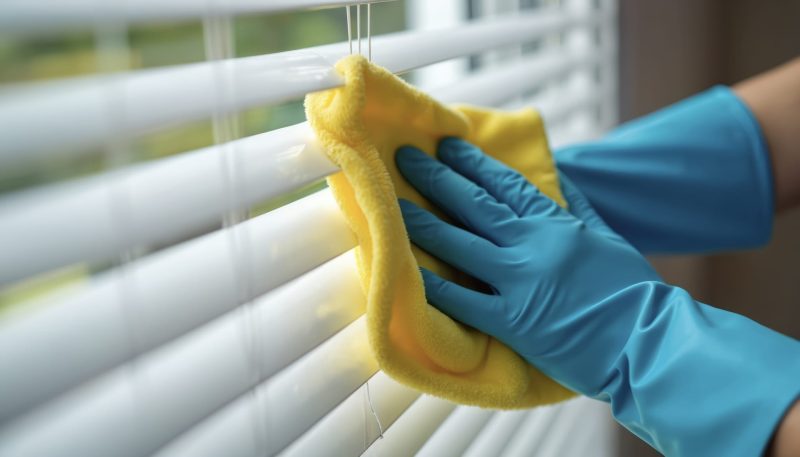
First, lower your metal Venetian blinds and tilt the slats closed. Dust from the middle to the outward edge of each slat with a soft cloth or duster. Turn the slats the other way and repeat so that you have dusted both sides. Work from top to bottom so that dust does not fall onto slats you have already cleaned. For individual marks, open the slats and gently wipe along them with a cloth dampened with warm soapy water. Support each slat as you go; thin aluminium slats can bend if pressed too hard. Avoid abrasive pads and excessive water, particularly around the headrail. Let everything dry before raising your metal Venetian blinds. There’s usually no need to take the whole thing down for everyday cleaning.
How to care for wooden Venetian blinds
Use a dry microfibre cloth or soft duster, cleaning both sides of the slats and working downwards. A vacuum cleaner with a soft brush attachment on low suction can also help. Keep moisture to a minimum: real wood can swell, warp or crack when it gets too wet. For particularly dirty wooden slats, you can try dabbing with a damp cloth (make sure you wring it out thoroughly, so it is only barely damp). Go back over the wood straight away with a clean, dry cloth to remove moisture from the slats. For wooden venetian blinds, you should avoid using any type of detergent, spray or chemical cleaner. Never soak these blinds or use a steam cleaner on them.
Can you wet faux wood blinds to clean them?
Although they might look very similar, faux wood blinds tolerate damp cleaning better than real wood. Dust first, then wipe individual slats with a soft, lightly damp cloth. Where the care instructions allow it, a diluted mild detergent can help lift sticky marks. Wipe away any residue and dry the slats afterwards. Take care around the cords, fabric tapes and headrail. Just because the slats are moisture resistant, that does not automatically mean you can put the whole blind in the bath.
Cleaning Roman blinds at home
Many Roman blinds have a label stating ‘professional dry clean only’, but there are still a couple of things you can do at home. Lower the blind fully and use your vacuum cleaner’s soft upholstery attachment to gently remove dust, working from top to bottom. Give the edges attention too. Treat marks according to the fabric instructions, using a lightly damp cloth only where permitted and avoiding saturation. Fabrics, linings and trims may react differently to moisture, so don’t assume a method suitable for one Roman blind will suit another. For a greasy or persistent stain, check whether a specialist fabric cleaner is approved or ask for advice before treating a larger area.
How to clean pleated blinds
Gently dust along the folds or use a vacuum cleaner on low suction while supporting the fabric. Avoid pressing the pleats flat. If the fabric allows damp cleaning, dab marks with a soft sponge and lukewarm water rather than rubbing. Pleated blinds with reflective finishes need different care. Metallic-backed Plissé fabrics, for example, must not be cleaned with water. Confirm the exact fabric and follow its instructions before attempting anything beyond light dusting.
How to clean cellular shades
Use a feather duster or a vacuum cleaner on low suction, taking care not to crush the fabric’s cell structure. For marks, first check whether water can be used on your particular fabric. Don’t try to detach the fabric from the rails. Although some fabrics have an approved washing procedure, others do not. If you are unsure which version you have, ask before getting your cellular shades wet.
Vision and day-and-night blinds
Start with gentle dry dusting, using a soft brush or clean, dry cloth without pressing against the sheer sections. Do not use a hoover for this type of blind; the sheer fabric is delicate and requires a light touch. For Vision and other day-and-night fabrics, check the relevant manufacturer’s instructions before using water or soap of any kind. If a mark remains, double check how to clean that particular fabric. Avoid any hard rubbing or scrubbing.
How to clean specialist blind types
Perfect Fit and other no-drill systems
Follow the guidance for the blind inside the fitting system: a Venetian blind needs different care from a pleated, cellular or roller fabric. The Perfect Fit system has a removable frame which can help with access. Refer to the instructions for your version when releasing it; other no-drill systems may attach differently. Dust accessible frame surfaces separately and keep moisture away from the mechanism. Removing a frame makes access easier, but it doesn’t change which cleaning methods the material can tolerate. Follow the relevant advice above for the type of fabric or slats in your frame.
VELUX, shaped and roof blinds
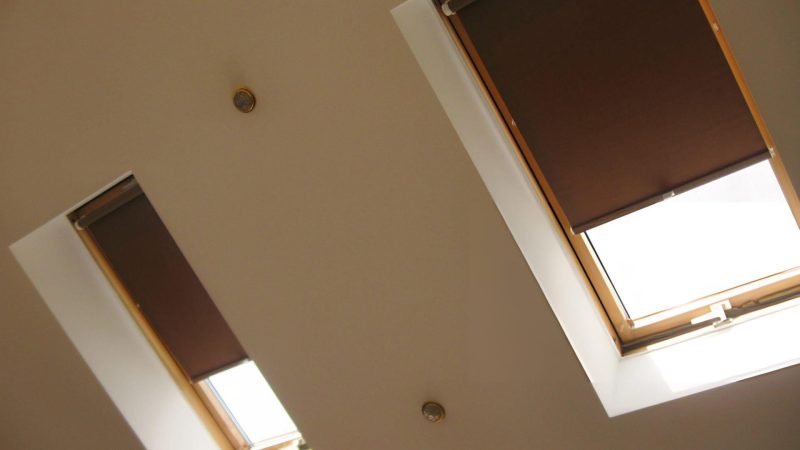
For these specialist blinds, the method of cleaning is determined by the fabric or slat material the blind is made from. Your options will include dusting, gentle hoovering with a brush attachment, and perhaps careful spot cleaning with a damp cloth. As always, dab rather than rub and be gentle. Only clean a blind you can reach safely without stretching or pulling on it. When cleaning the window, apply glass cleaner to your cloth rather than spraying towards the blind, where splashes could mark the fabric. For a large gable blind or a roof lantern installation you cannot reach comfortably, ask us about the appropriate way to arrange cleaning. Taking down a specialist blind without understanding its fitting system can turn a simple clean into a much bigger job.
Motorised blinds
Clean the fabric or slats using their approved method. Take extra care around the motor, charging point and electrical parts. Lower your motorised blind completely before starting and follow its instructions for preventing automatic movement during cleaning. The same advice applies even if you are just cleaning the nearby window; make sure you keep your motorised blinds from moving while you are working. Don’t open the motor housing or spray liquid into the mechanism. If your blind has become noisy or uneven, this can be an indicator that something is wrong with the motor, so make sure you schedule maintenance.
Other frequently asked questions about how to clean blinds
Can you clean blinds without taking them down first?
Usually, yes. Routine dusting, gentle vacuuming and approved spot cleaning can often be done with the blind in place. This avoids unnecessary handling of brackets, cords and mechanisms. Lower or position the blind so you can reach the surface safely and support the fabric or slats as you work. Only remove louvres, frames or complete blinds when the manufacturer’s instructions call for it and you understand how to refit them. For high or awkward installations, ask for advice about access.
How do you remove grease and stubborn stains from blinds?
On a fabric approved for damp cleaning, deal with fresh splashes promptly. Blot excess liquid with a clean, dry cloth, then use the permitted cleaning solution sparingly and dab the mark. Mild soapy water may be suitable for some wipe-clean surfaces, but check first. Remove residue as directed and allow the blind to dry completely. If the stain remains, stop before trying stronger products. Ink removers, solvents and general kitchen degreasers are not suitable for every blind, and a visibly lighter patch can be harder to disguise than the original mark.
How to clean mould on blinds?
Check the material and its care guidance before attempting to remove it. The appropriate method depends on how far the mould has affected the blind. Don’t automatically reach for bathroom mould spray: some products can damage blind fabrics and finishes. Check both the blind’s care guidance and the cleaner’s suitability before treating a small area. For extensive mould or a delicate fabric, seek specialist advice about cleaning or replacement. Address recurring condensation and poor ventilation too, and allow blinds to dry after any approved damp cleaning. To keep the mould from coming back, it’s best to discourage the conditions that caused it in the first place.
How often should blinds be cleaned?
We recommend a light dusting as part of your regular cleaning routine – perhaps every one to two weeks. Check kitchen blinds more often for grease and bathroom blinds for condensation, rather than waiting for a visible build-up. Blinds in these rooms will require more frequent deep cleaning to prevent the build up of cooking grease or moisture and mildew. For blinds in the rest of your home, a thorough clean every 6 months or so should suffice. Keeping the surrounding glass and window area clean helps too, provided cleaning products are kept off the blind. Overall, it’s easier to give your blinds small amounts of regular attention instead of trying to remove months of settled dirt in one go.
Need advice about your blinds?
If we supplied your blinds and you’re unsure which fabric, finish or fitting system you have, get in touch before trying a new cleaning method. We can help you check the appropriate care guidance. And if you’re coming to our showroom to choose new blinds, tell us where they’ll be fitted and how you use the room. We’ll talk you through suitable materials and their upkeep.